Chassity Jackson
1. Congratulations on winning in the European Photography Awards! Can you share a little about yourself, what inspired you to pursue photography, and how has your journey evolved since your first shot?
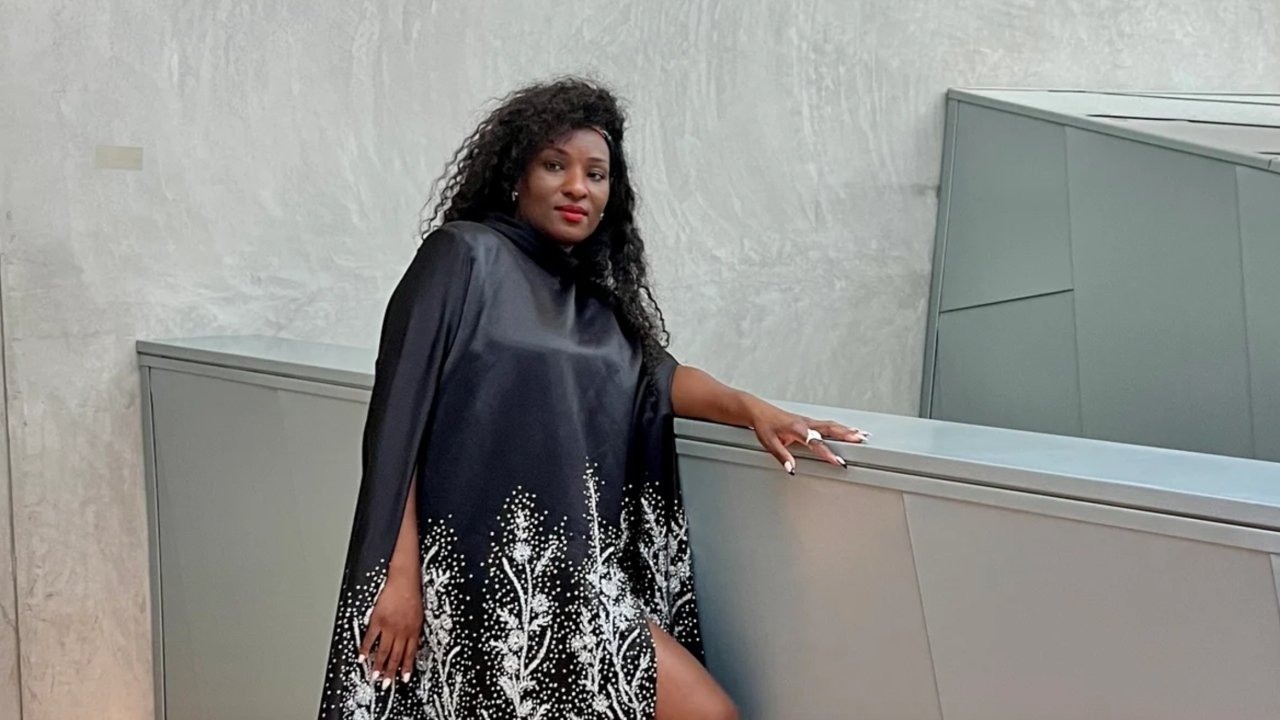
I am a fine artist, creative director, and an Air Force veteran.
Photography was never the plan; it became the language I could not find anywhere else. What started as iPhone documentation of my life across three continents became a sustained fine art practice, now with international competition recognition across IPA, EPA, and multiple Veterans’ Creative Arts Awards. The evolution has been less about technique and more about permission. Permitting myself to call it art.
2. Can you share the story or inspiration behind your award-winning piece? How does winning this award make you feel about your journey in photography?
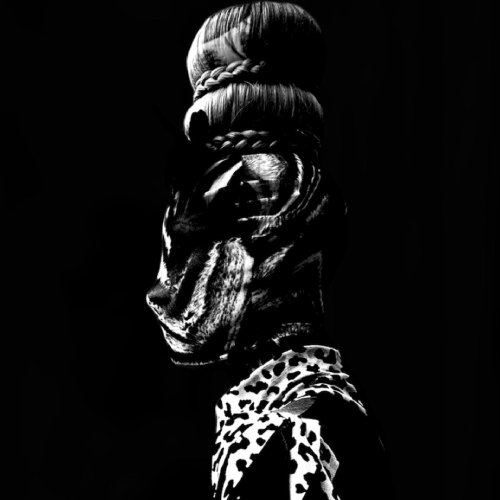
Twins came from a single afternoon on a photo walk. I was not trying to make a statement about identity, just attempting to document the specific way two people can be the same and completely foreign to each other simultaneously. The chiaroscuro was intentional.
Light as the thing that chooses what is seen and winning EPA Gold in Fine Art Portraiture confirmed what I already suspected: that work made from genuine curiosity about people lands differently than work made from concept alone. It lands in the body, not just the eye.
3. How do you decide which photo to submit for a competition?
I ask myself one question while in post-production late at night: Does this image have an argument?
Not a mood. Not an aesthetic.
An actual argument, something it is insisting the viewer consider. If I cannot articulate what the image is saying in one sentence, then I feel it is not ready, or I need to revisit the image from a different perspective or vantage point. Twins was ready. The argument was: what does it mean to recognise yourself in someone else and still feel the distance?
4. What first made you pick up a camera?
My mom, she picked out my very first camera, which was a Polaroid. I adored my camera, but at that moment I never knew that photography would become something that I would pursue long-term.
5. What’s your favorite type of photography, and why do you love it?
Botanical abstraction by far! This genre allows me the leeway to create something unorthodox where the noise of the world stops telling me how to see art. I am always trying to find the image underneath the image.
6. What’s your go-to camera setup, and why does it work best for your projects? What’s your favorite feature?
iPhone - full stop. Not as a limitation but as a philosophy. Now I also love analogue, where I use my Minolta. Nonetheless, I believe that the best camera is the one that removes the distance between the seeing and the making.
My iPhone is always in my hand, and when I feel the light and the moment is right, I am already shooting. The constraint has taught me more about composition and intention than any equipment upgrade ever could.
7. If someone looked at your work, what’s the one thing you’d want them to feel?
Seen not by me, but by the image. I want them to feel the specific discomfort of recognising something true about themselves in an art piece or series that was never about them. Personally, that is the moment fine art actually works.
8. What was the most challenging part of capturing your winning shot?
Waiting and shutting out the external noise. Also having the courage to see and capture what others have dismissed as ordinary.
9. Is there a specific place or subject that inspires you the most?
Cultural beauty, things that are in the liminal space of becoming.
10. Who or what has been your biggest influence in photography?
Caravaggio was not a photographer, which is the point. He understood that light is not decoration, as it is the argument.
11. What message would you share to inspire photographers to participate in photography awards, and what advice would you give to help them excel in the competition?
Submit the work that frightens you slightly, not the safe edit and certainly not the technically perfect image that says nothing. Submit the one that feels too personal and too strange to win anything because that is usually the one that does. I believe that juries remember work that insists on itself.
12. What’s one piece of advice for someone just starting in photography?
Stop waiting for better equipment and start asking better questions. The question should be: What am I actually trying to say? Frankly, the equipment is irrelevant until you can answer that.
13. What role do editing and post-processing play in your creative workflow?
Post-production is not finished. It is the second conversation with the image and the shot is the first draft. Twins demanded hours, which took several iterations of tonal work to achieve the chiaroscuro that the natural light only suggested.
14. How do you see technology, like AI, influencing the future of photography and your own approach?
I believe that AI will accelerate the production of beautiful images, not accelerate the development of an artistic point of view.
The photographers whose work survives this AI era will be the ones whose images are irreducibly themselves, work that could only have come from a specific person standing in a specific place asking a specific question. Personally, I am focused on making work that is too particular to be replicated.
15. If you could photograph anything or anyone in the world, what would it be?
Great question. My answer would be that I’m still learning and discovering, but it would probably be related to nature.