
Long Shadow
Photographer
Selene Magnolia Gatti
Category
Editorial Photography - Environmental
Company
Submission Group
Professional
Year
2025
Country / Region:
Germany
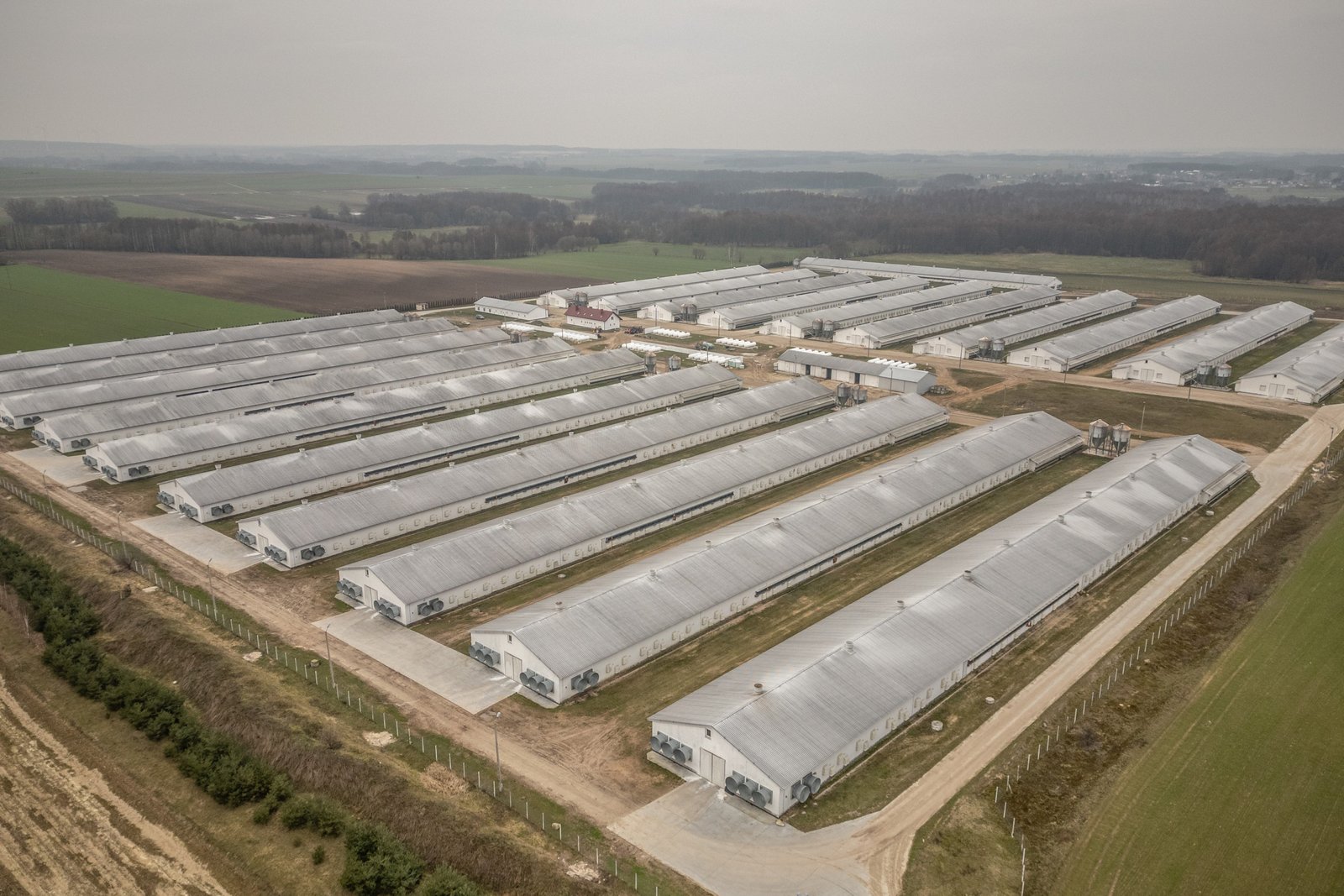
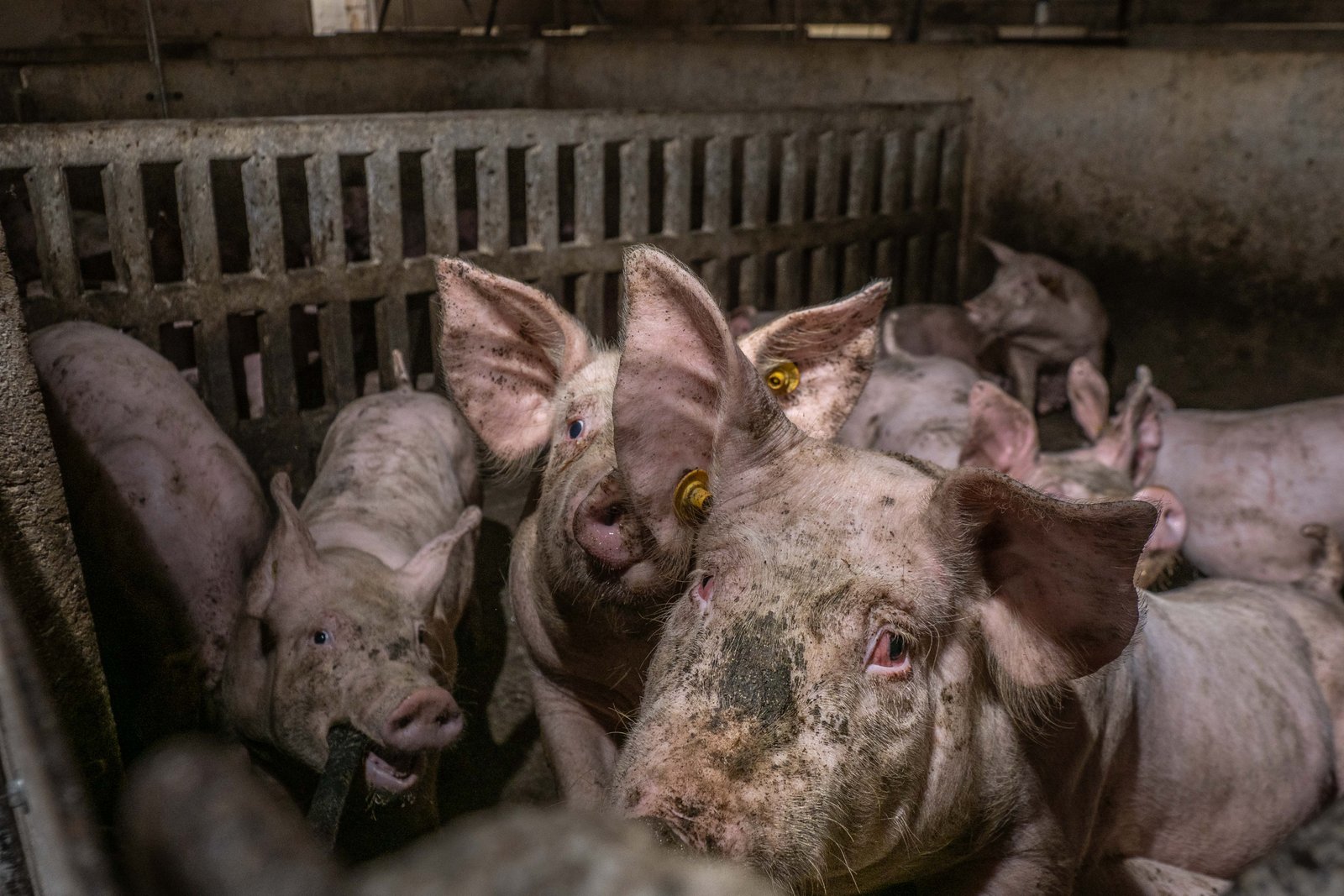
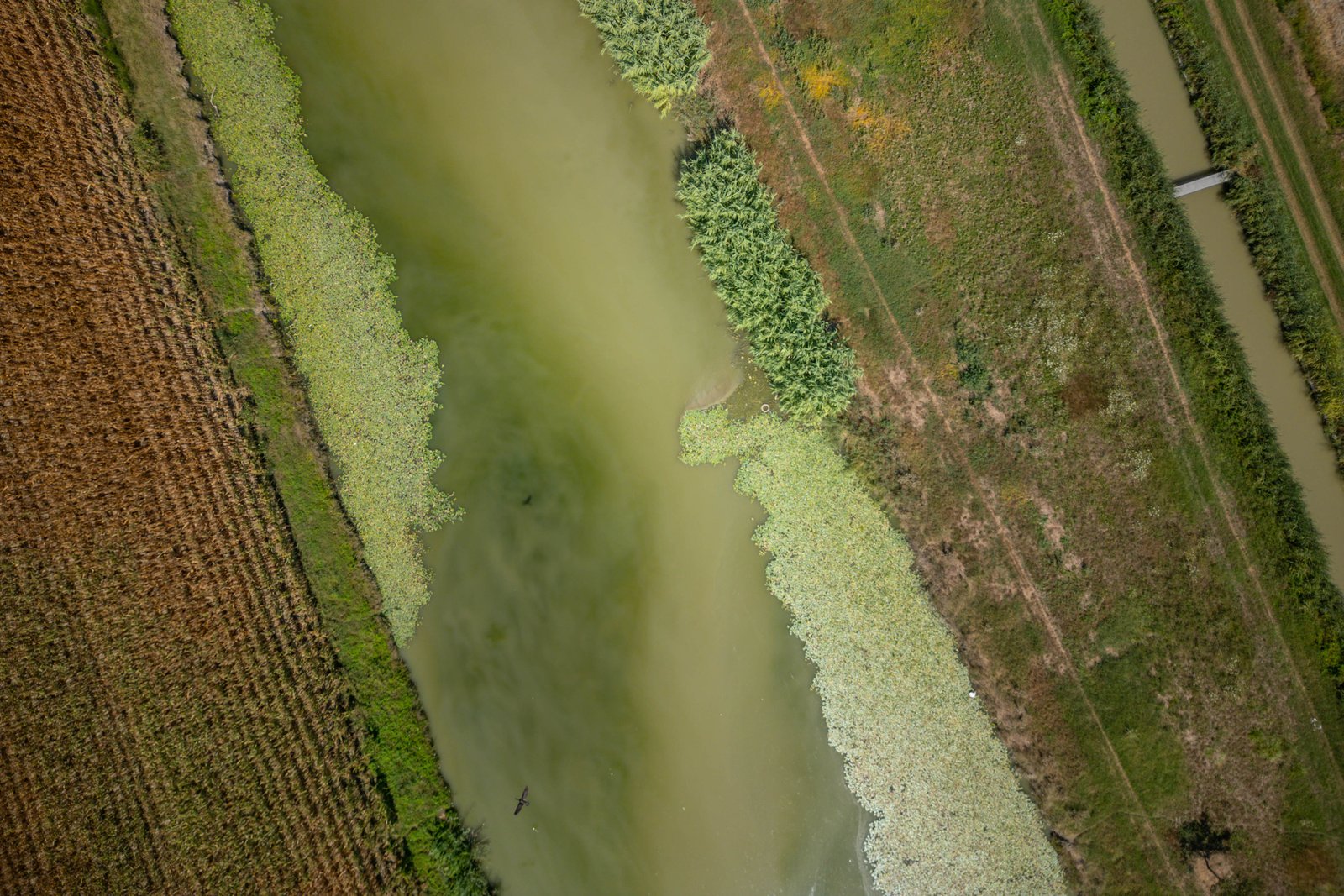
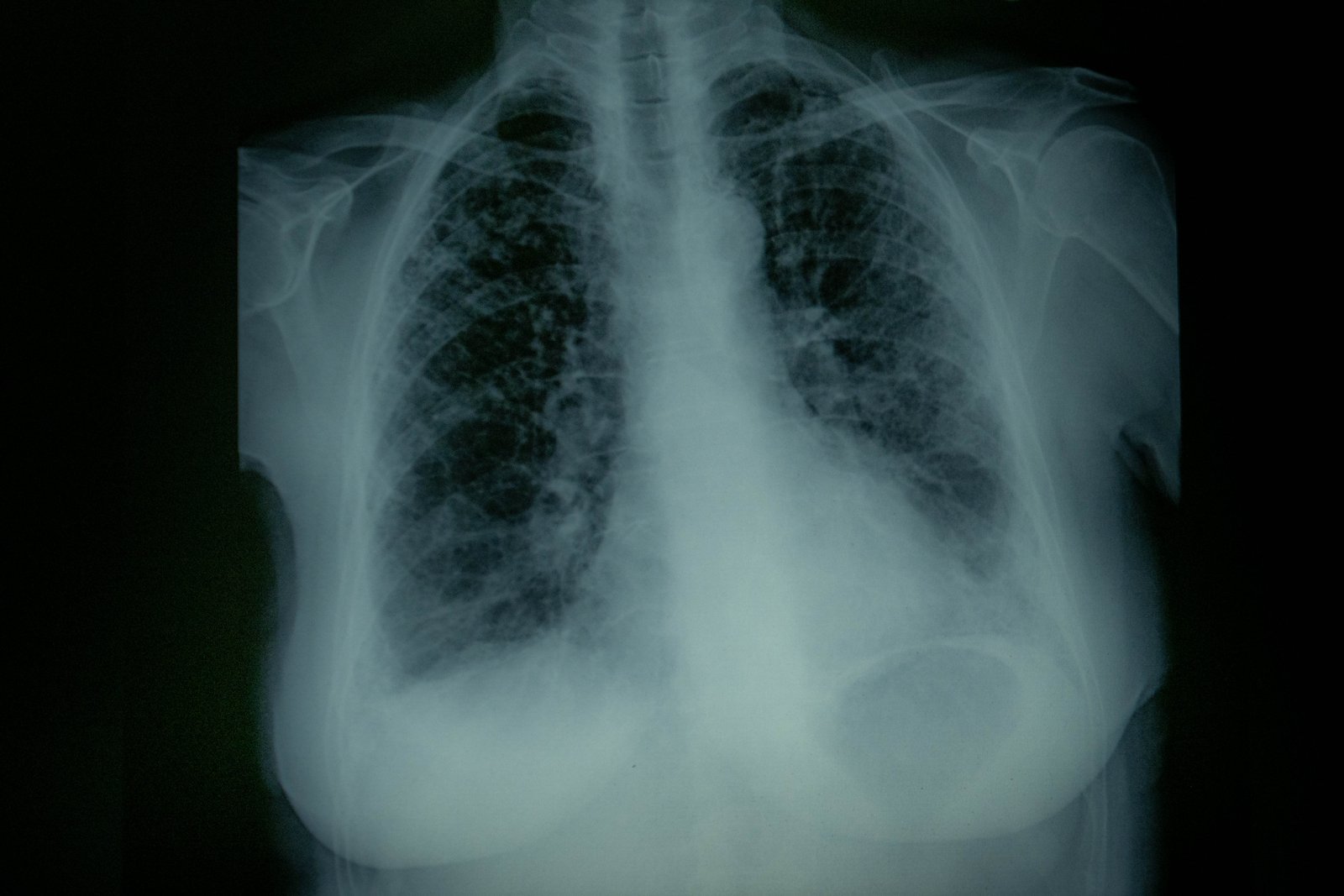
In the Anthropocene, our historical time that scientists suggest may be marked by the presence of chicken bones everywhere, factory farms have surged past the environmental safety thresholds established by experts. 11 billion chickens, 142 million pigs, 76 million bovines, 62 million sheep, 12 million goats: this is the population of invisible animals farmed in Europe yearly, that live and die on the (dis)assembly line. Factory farming is recognised as one of the top-most polluting industries worldwide in 2024, generating nearly 15% of total greenhouse gas emissions. Its impact on immediate surroundings is under-investigated. Noise, smell, air toxicity, chronic disease, water pollution: factory farms project negative externalities that hit neighboring communities first, often transforming local ecologies and endangering health and welfare. Residents across Europe endure an often daily barrage of invasive smells and gases. Gardening, drying clothes outdoors, or just opening a window become a burden. Visits dwindle. Mental health deteriorates. Homes plummet in value, leaving residents trapped. When air quality gets worse, residents often suffer from breathing difficulties, headaches, nausea, persistent cough, sometimes their eyes burn. Hydrogen sulphide, particulate pollution, ammonia, volatile organic compounds: farms release a number of externalities that make people sick in the short and long run, causing flu-like symptoms or triggering a development and deterioration of pathologies. Released in the atmosphere, ammonia turns into PM2.5, a group1 carcinogenic substance with estimated premature linked mortality of 253,000 cases yearly in Europe alone. Increasing evidence points to higher cancer rates in regions dense with large animal farming. In a time of increasingly frequent extreme novel epidemics and pandemics factory farms have become dangerous pathogenic breeding grounds. They have been linked to outbreaks of influenza strains like H1N1 swine flu and the H5N1 avian flu, diseases like African Swine Fever and Q-fever, jumping from animals to humans. Research linking higher incidence and severity of COVID-19 in these regions further compounds the issue. Many local communities across Europe are struggling in response to the rising local cost of factory farming, in terms of environmental damage, social welfare, and loss of life.




Photographer / Company
Michał Kordula
Category
Architecture Photography - Historic
Country / Region
Poland
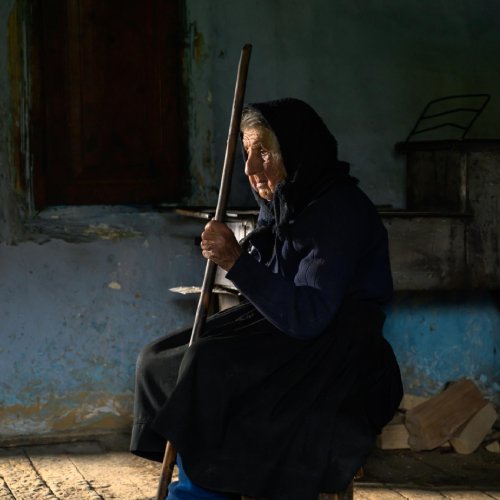
Photographer / Company
Ilona Schong
Category
People Photography - Portrait
Country / Region
Netherlands

Photographer / Company
Anna Paczkowska
Category
Black & White Photography - Fine Art
Country / Region
Poland

Photographer / Company
Mark Gray
Category
Nature Photography - Drone
Country / Region
Australia